

Choosing between clear aligners and traditional braces is not simply a matter of appearance. At Dhee Dentist’s, patients considering orthodontic treatment in Triplicane are assessed for tooth position, bite complexity, age, lifestyle and their ability to follow the treatment routine.
Both options straighten teeth by applying controlled pressure, but they differ in visibility, removability, maintenance and the types of movements they can manage predictably.
How Traditional Braces Work
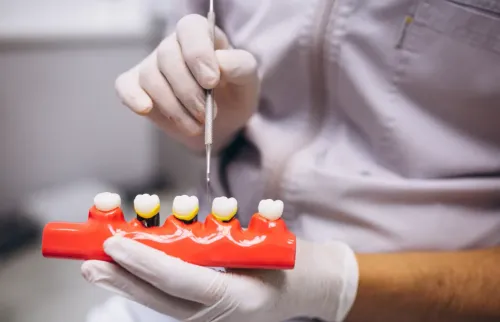
Traditional braces use brackets attached to the teeth and connected by an orthodontic wire. The wire is adjusted periodically to guide the teeth into planned positions.
Braces may be useful for:
- Significant crowding
- Complex tooth rotations
- Larger spaces between teeth
- Certain jaw and bite discrepancies
- Teeth requiring detailed vertical movement
- Patients who may find removable appliances difficult to manage
Because fixed braces remain on the teeth throughout treatment, they work continuously and do not depend on the patient remembering to wear them.
How Clear Aligners Differ
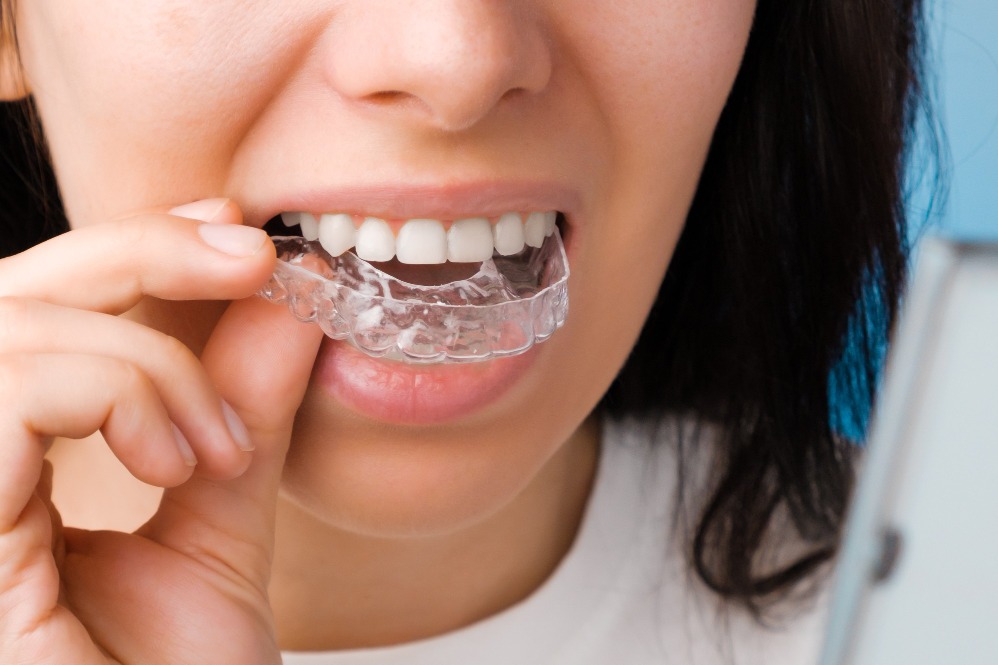
Clear aligners are removable trays created in a planned sequence. Each set moves selected teeth gradually, and patients change to the next set according to the dentist’s instructions.
Their main practical advantages include:
- Less visible appearance
- Removal during meals
- Easier brushing and flossing
- No fixed brackets or wires
- Greater convenience for photographs and social occasions
However, aligners must be worn consistently. Frequently removing them or forgetting to reinsert them can delay treatment and reduce predictability.
Which Option Is Easier to Maintain?
Clear aligners are removed for brushing and flossing, so patients can clean their teeth in the usual way. The trays must also be cleaned and stored safely.
Braces require more careful brushing around brackets and beneath wires. Food can become trapped, increasing the importance of interdental brushes and a consistent oral hygiene routine.
Food habits differ as well. Aligners are removed before eating, whereas patients with fixed braces generally need to avoid very hard or sticky foods that could damage brackets or wires.
Questions a Braces Specialist Will Assess
An orthodontic recommendation should address more than crooked teeth. The examination considers:
- How the upper and lower teeth meet
- Space available within each dental arch
- Gum and bone health
- Tooth rotations and angulation
- Jaw growth in younger patients
- Previous orthodontic treatment
- Patient expectations and daily routine
- Ability to attend review appointments
In some cases, braces can manage complex movements more efficiently. In other situations, aligners may achieve the desired result while offering greater discretion.
Orthodontic Treatment in Triplicane
Treatment duration varies according to the complexity of the case and how the teeth respond. Neither braces nor aligners should be selected based solely on an advertised treatment time. Regular reviews are essential with both options.
Retention is also required after treatment. A retainer helps prevent the corrected teeth from gradually shifting towards their previous positions.
The best orthodontic appliance is the one that can safely perform the required tooth movements and fit realistically into the patient’s routine. To compare clear aligners and traditional braces for your needs, arrange a consultation with the braces specialist at Dhee Dentist’s in Triplicane.
A personalised assessment can clarify which option offers the right balance of control, comfort and appearance.