

A chipped, decayed or discoloured tooth does not always need extensive treatment. At Dhee Dentist’s in Triplicane, the choice between a cosmetic filling and a dental crown is based on the amount of healthy tooth remaining, the location of the damage and the pressure the tooth handles while chewing.
Both treatments can improve appearance and restore function, but they are designed for different levels of tooth damage. Understanding the distinction helps patients make a well-informed decision.
What Is a Cosmetic Filling?
A cosmetic filling uses tooth-coloured composite resin to repair a cavity, minor fracture, small gap or uneven tooth edge. The material is selected to blend with the surrounding enamel and is shaped directly on the tooth.
Cosmetic fillings may be considered for:
- Small to moderate cavities
- Minor chips in front teeth
- Small gaps between teeth
- Worn or uneven tooth edges
- Replacement of visible metal fillings
- Localised discolouration
- Minor shape corrections
The procedure is usually conservative because only the damaged or decayed portion of the tooth needs to be treated. In many cases, it can be completed in a single appointment.
When Is a Crown More Suitable?
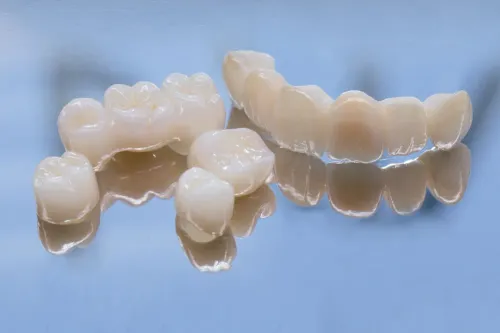
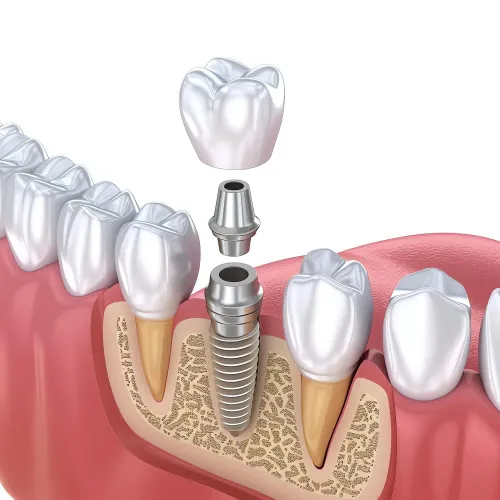
A dental crown covers most or all of the visible tooth. It is generally recommended when the tooth has lost substantial strength and a filling alone may not provide reliable protection.
A crown may be the better choice when:
- A large part of the tooth is missing
- The tooth has a deep crack
- A large existing filling is failing
- Root canal treatment has weakened the tooth
- The tooth is exposed to heavy biting pressure
- Multiple surfaces require restoration
- There is a high risk of further fracture
Placing a large filling in a severely weakened tooth may leave the remaining walls vulnerable. In such cases, the wider coverage offered by a crown can provide better structural support.
Comparing Appearance and Tooth Preservation
Cosmetic fillings and ceramic crowns can both be matched to the colour of natural teeth. Composite fillings are sculpted directly in the mouth, while crowns are custom-made using a scan or impression.
A filling generally preserves more natural tooth structure. A crown requires additional shaping so that it can fit over the tooth. For this reason, a crown should not automatically be selected when a conservative filling can produce a predictable result.
The condition of the tooth matters more than choosing the treatment that appears more advanced.
Durability and Maintenance
The longevity of either restoration depends on the size of the repair, bite forces, oral hygiene and habits such as teeth grinding or biting hard objects.
Large cosmetic fillings may wear, stain or chip over time, particularly on back teeth. Crowns can tolerate broader coverage needs, but they still require proper cleaning because decay may develop at the edge where the crown meets the natural tooth.
Selecting the Right Option in Triplicane
A dental examination may include bite testing and X-rays to determine how far the damage extends. The dentist should also check for cracks, infection and the condition of the supporting gum.
Cosmetic filling is often suitable when damage is limited and sufficient healthy enamel remains. A crown becomes more relevant when strength and full coverage are the primary concerns.
If you have a chipped, decayed or heavily filled tooth, schedule an evaluation at Dhee Dentist’s in Triplicane, Chennai. The clinic can assess the extent of damage and recommend a restoration that balances appearance, strength and conservation of your natural tooth.