

A heavily filled, cracked or weakened tooth may no longer be adequately protected by a regular filling. Dhee Dentist’s offers ceramic crown evaluation in Triplicane for patients who need to restore a damaged tooth while maintaining a natural-looking smile.
A crown covers the visible portion of the tooth, helping restore its shape, strength and function. Ceramic crowns are particularly valued for their ability to resemble natural enamel, making them suitable for visible teeth as well as selected back-tooth restorations.
When May a Ceramic Crown Be Recommended?
A dentist may consider a crown when a tooth has lost significant structure or is at risk of breaking. Common situations include:
- A large cavity that cannot be restored predictably with a filling
- A fractured or cracked tooth
- Extensive wear caused by grinding
- Protection after root canal treatment
- Severe discolouration that cannot be corrected conservatively
- A misshapen tooth affecting the smile
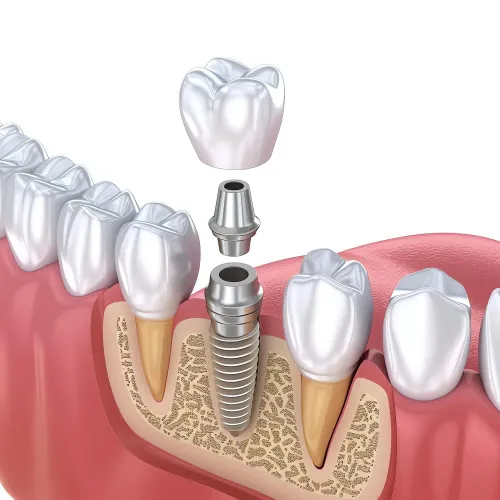
- Restoration of a dental implant
- Replacement of an old or damaged crown
A crown should not be placed without first identifying the condition of the tooth and surrounding gum. Active decay, infection or gum inflammation may need to be treated beforehand.
What Makes Ceramic Crowns Different?
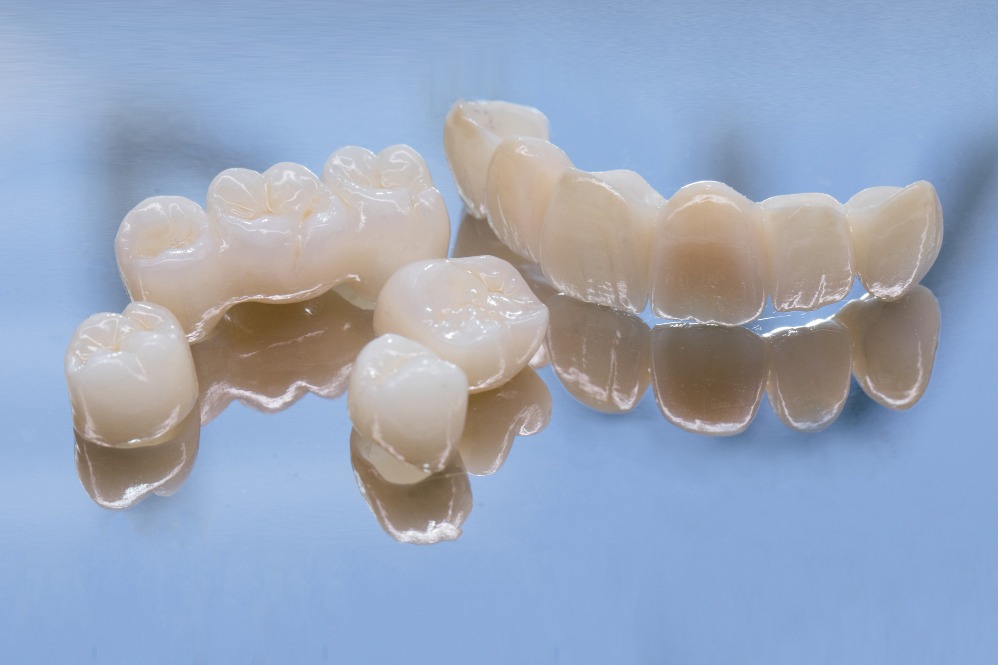
Ceramic materials can be shaped and shaded to blend with neighbouring teeth. They do not create the visible metallic edge sometimes associated with older crown designs.
Their potential benefits include:
- Tooth-coloured appearance
- Customised shade and shape
- No exposed metal margin
- Suitable options for front and back teeth
- Resistance to everyday staining
- Coverage for structurally weakened teeth
Different ceramics offer different balances of strength and translucency. A highly aesthetic material may be preferred for a front tooth, while a stronger ceramic may be chosen for an area exposed to greater chewing pressure.
Steps Involved in Crown Treatment
The process begins with an examination, bite assessment and, when needed, dental X-rays. The tooth is then shaped to create sufficient room for the crown.
A scan or impression records the prepared tooth and surrounding bite. A temporary crown may be placed while the final restoration is being prepared.
At the fitting appointment, the dentist checks:
- How the crown meets neighbouring teeth
- Its shape and shade
- The fit around the tooth margin
- Comfort when biting
- Overall appearance in the smile
The final crown is secured only after the fit and bite have been evaluated.
Caring for a Ceramic Crown in Chennai
Although ceramic does not decay, the natural tooth beneath the crown can still develop a cavity near the margin. Gum inflammation can also occur when plaque builds up around the restoration.
Patients should brush twice daily, clean between the teeth and avoid using crowned teeth to bite hard objects. Those who grind or clench may require a night guard to reduce excessive pressure.
A crown should be reviewed if it becomes loose, painful or uncomfortable during chewing. Sensitivity that persists or food repeatedly becoming trapped near the crown also deserves attention.
Choosing the right restoration involves balancing appearance, durability, bite forces and preservation of healthy tooth structure. If you have a broken, heavily filled or root canal-treated tooth, schedule an assessment at Dhee Dentist’s in Triplicane. A detailed examination can determine whether a ceramic crown or a more conservative restoration is the better option.