

Persistent toothache often signals a problem that will not resolve with pain medicine alone. At Dhee Dentist’s in Triplicane, root canal treatment may be recommended when the soft tissue inside a tooth becomes inflamed or infected but the tooth can still be preserved.
The purpose of the procedure is to remove the infected tissue, disinfect the root canal system and seal the tooth against further contamination. Timely care can often save a natural tooth that might otherwise require removal.
Why Does a Tooth Become Infected?
Inside every tooth is a space containing dental pulp, which includes nerves, blood vessels and connective tissue. Bacteria can reach this area through deep decay, cracks, trauma or leaking restorations.
Common warning signs include:
- Persistent or severe toothache
- Pain while biting or chewing
- Prolonged sensitivity to hot or cold
- Swelling near the affected tooth
- A recurring pimple-like bump on the gum
- Darkening of the tooth
- A deep cavity or visible crack
- Tenderness in the nearby gum
Not every infected tooth causes strong pain. In some cases, discomfort decreases when the pulp loses vitality, even though infection remains around the root. This is why symptoms should be assessed rather than ignored.
What Happens During Root Canal Treatment?
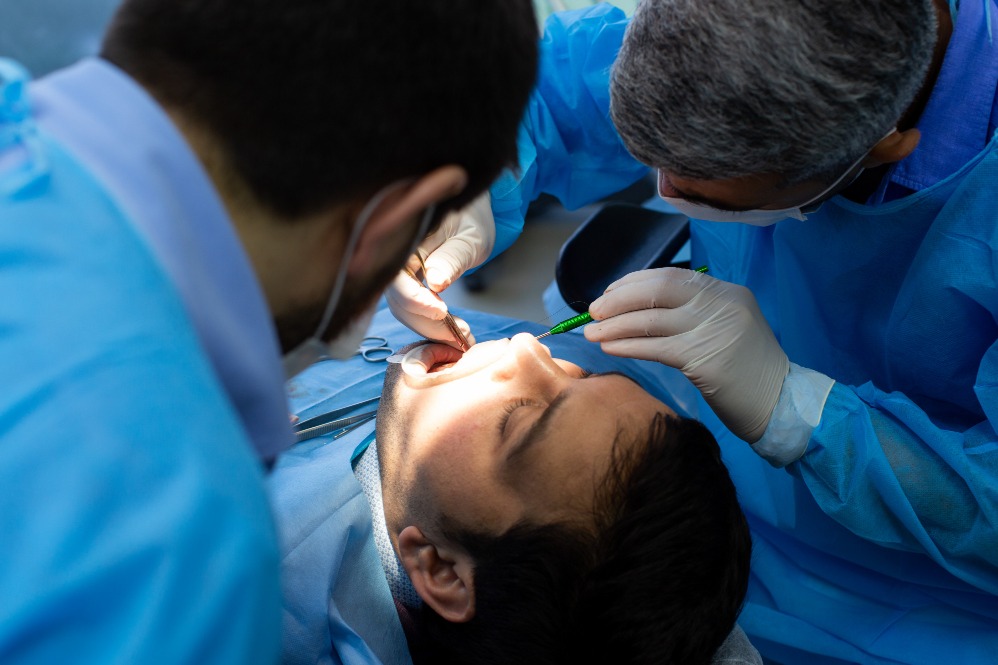
The dentist first examines the tooth and may take dental X-rays to evaluate its roots and surrounding bone. Local anaesthesia is then used to numb the treatment area.
A protective sheet may be placed around the tooth to keep it clean and isolated. The dentist creates a small opening, removes the affected pulp and carefully cleans the narrow canals inside the roots.
The prepared canals are then filled and sealed. Depending on the infection and complexity of the tooth, treatment may be completed in one visit or across multiple appointments.
Will the Tooth Need a Crown?
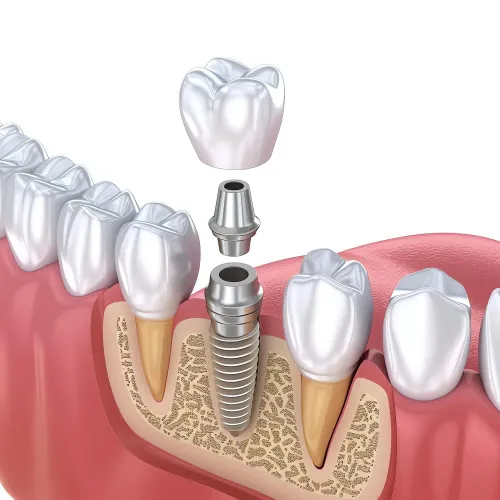
Root canal treatment removes infection but does not replace tooth structure already lost through decay, cracking or previous fillings. A treated tooth may therefore require a protective restoration.
Back teeth often need crowns because they receive considerable pressure during chewing. Whether a crown is required depends on:
- Location of the treated tooth
- Amount of healthy tooth structure remaining
- Size of previous fillings
- Presence of cracks
- Patient’s bite pattern
- Teeth-grinding habits
Completing the final restoration on schedule reduces the chance of the weakened tooth fracturing or becoming contaminated again.
Recovery After Treatment
Mild tenderness may occur for a short period, especially if the tissues around the root were already inflamed. Patients should follow the dentist’s instructions and avoid biting hard foods with a temporarily restored tooth.
Worsening pain, new swelling, fever or a change in the bite should be reported promptly. These signs may indicate that the tooth needs further assessment.
Protecting the Treated Tooth
A root canal-treated tooth still needs regular brushing, interdental cleaning and dental reviews. Decay can develop around its filling or crown if plaque is not removed properly.
Preserving a natural tooth supports normal chewing and helps prevent nearby teeth from shifting. If you have ongoing tooth pain, sensitivity or swelling in Triplicane, arrange an examination at Dhee Dentist’s. Early diagnosis can clarify whether root canal treatment can save the affected tooth and restore comfortable function.