

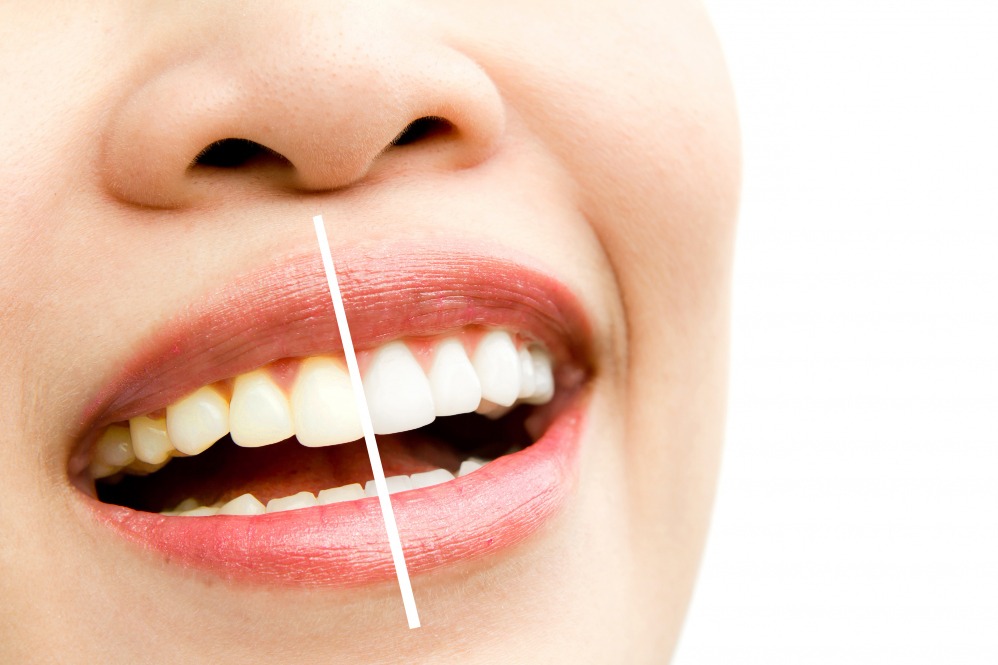
Stained teeth can make an otherwise healthy smile appear dull. At Dhee Dentist’s in Triplicane, teeth whitening begins with an oral examination because not every type of discolouration responds to bleaching in the same way.
Many home remedies promise quick whitening using common household ingredients. Although some may temporarily remove surface deposits, improper use can irritate the gums or wear the enamel without addressing the actual cause of the colour change.
Why Do Teeth Become Discoloured?
Tooth colour can change because of external stains, internal changes or a combination of both.
Common causes include:
- Tea and coffee consumption
- Tobacco use
- Coloured foods and beverages
- Plaque and tartar accumulation
- Natural ageing
- Certain medicines
- Previous dental injury
- Old fillings or crowns
- Changes within the tooth after nerve damage
Surface stains may improve with professional cleaning. Deeper discolouration may require whitening or another cosmetic treatment.
How Professional Whitening Works
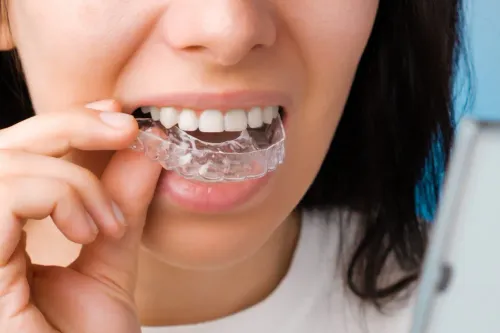
Professional whitening uses a controlled bleaching material to lighten natural tooth colour. Depending on the selected method, treatment may be performed in the dental clinic or through dentist-supervised trays used at home.
Before whitening, the dentist checks for cavities, cracks, gum inflammation and existing sensitivity. Any active oral health problem should be managed first.
Professional supervision helps with:
- Selecting a suitable whitening strength
- Protecting the gums and soft tissues
- Monitoring tooth sensitivity
- Setting realistic shade expectations
- Identifying stains unlikely to respond
- Avoiding unnecessary or excessive bleaching
Whitening changes the colour of natural teeth, but it does not lighten crowns, veneers or tooth-coloured fillings.
Why Home Remedies Can Be Problematic
Popular remedies may include lemon juice, charcoal powder, baking soda mixtures or aggressive scrubbing. An ingredient that makes teeth feel smoother does not necessarily whiten them safely.
Acidic substances can soften enamel, while abrasive powders may gradually wear the surface. Repeated scrubbing can also increase sensitivity and make teeth appear more yellow if the thinner enamel exposes more of the underlying dentine.
Unregulated whitening products may cause uneven results, gum irritation or pain when used on teeth with untreated decay.
Whitening or Cleaning: Which Do You Need?
Professional cleaning removes plaque, tartar and certain external stains. Whitening changes the shade of the natural tooth itself.
Cleaning may be the correct first step if the dull appearance is mainly caused by deposits. Whitening may then be considered if the patient wants a lighter natural shade.
A single dark tooth requires separate evaluation because it may indicate previous trauma, nerve damage or another internal problem. Standard whole-mouth whitening may not correct it evenly.
Teeth Whitening in Triplicane
Results vary according to the original shade and cause of staining. Maintaining the change involves good oral hygiene and moderation with strongly coloured foods, beverages and tobacco.
Temporary sensitivity can occur after whitening. The dentist may adjust the treatment schedule or recommend products that help manage it.
If you are deciding between professional teeth whitening and a home method, arrange a dental assessment at Dhee Dentist’s in Triplicane. The clinic can identify the type of staining and recommend an approach that improves your smile without compromising the health of your teeth and gums.